

Lake Como Design Festival
Lake Como Design Festival is a leading lake como design festival focused on architecture, contemporary art, and design culture. Held annually across Como, the event brings together design architects, design artists, and emerging designers in a curated program.
Often described as both a lake como design fair and cultural initiative, the festival integrates exhibitions, installations, and discussions across the city. It serves as a platform for creative expression, innovation, and dialogue within the international design community.
A platform for contemporary design and creativity
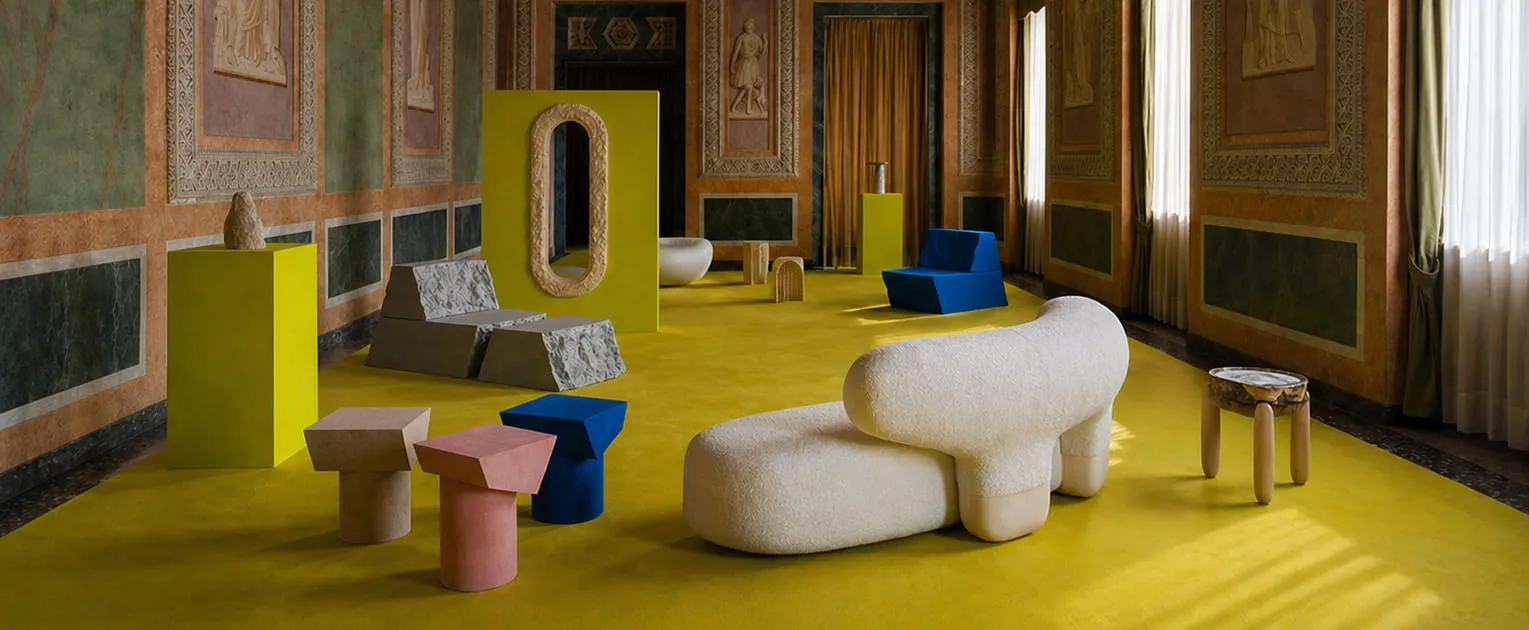
The Experiences Offered by the Lake Como Design Festival
The festival provides a wide range of design events and curated experiences.
Main components include:
- design installations and installation art across the city
- exhibitions featuring contemporary design selection
- workshops and design networking opportunities
Participants can explore:
- collaborations between design companies and creatives
- curated design showcase projects
- cross-disciplinary work combining art and design
These formats support both professional engagement and public access.
Exhibitions, installations, and collaboration
Themes of Past Festival Editions
Each edition of the lake como design festival is built around a central concept.
Examples include:
- boundary theme, exploring limits between spaces and disciplines
- themes related to urban design, rural design, and suburban design
- focus areas tied to design narratives and social context
Themes influence:
- the selection of exhibitions
- participating artists and studios
- interpretation of spaces and installations
This approach ensures each edition reflects evolving design trends and cultural topics.
Each edition shaped by a central theme
Venues and Exhibition Spaces
The festival takes place across multiple venues in Como.
Key locations include:
- historic buildings and cultural sites
- galleries and design galleries
- public spaces adapted for art installations
These venues highlight:
- integration of cultural heritage with modern design
- transformation of urban environments into exhibition areas
The distributed format encourages exploration and engagement across the city.
A city-wide design experience
How to Participate as an Artist
The festival offers opportunities for creatives through structured entry processes.
Key options include:
- participation via open call design
- collaboration with design collectives
- involvement in curated exhibitions
Applicants typically submit:
- project proposals
- portfolios demonstrating artistic expression
- concepts aligned with the annual theme
This process supports visibility for emerging designers and established professionals.
Open opportunities for designers and artists
Past Editions of the Lake Como Design Festival
Previous editions have featured:
- international and local designers
- installations combining design exploration and storytelling
- projects focused on design history and innovation
The festival consistently emphasizes:
- collaboration across disciplines
- high-quality curated exhibitions
- integration of architecture and design
Its growth reflects increasing interest in contemporary art and design culture in the region.
A growing international design event
Attending the Lake Como Design Festival as a Visitor
Visitors can access the lake como design festival through a mix of free and ticketed events.
Key considerations:
- review schedules for como exhibitions
- plan routes between venues
- check availability of workshops and guided experiences
The festival offers:
- public exhibitions
- talks and discussions
- interactive installations
Due to its distributed nature, planning is essential to maximize the experience.
Plan your visit across multiple venues
Frequently Asked Questions:

The festival usually centers on exhibitions, installations, talks, and site-specific programming rather than a simple trade fair format.
The official event site announces each edition separately, including dates, theme, and the spread of locations used across Como and the surrounding area.
Yes, that is typically part of the event identity, especially because the festival positions itself as more than a static exhibition program.
The festival is known for a broad design lens, where objects, interiors, installations, and conceptual work can all be part of the program.
One of the event strengths is its ability to connect contemporary design with place, local context, and site-based presentation rather than isolating design from the region.